Protecting your home and everything in it is a top priority. With the right insurance coverage, you can have peace of mind. You’ll know you’re financially secure against unexpected events.
Homeowners insurance is more than just a policy. It’s a safeguard for your most valuable asset. Top-rated insurance providers offer comprehensive coverage. This includes protection against damage, loss, and liability.
Choosing the right home insurance can be daunting. But it’s crucial for ensuring you’re adequately protected. By selecting a top-rated provider, you can trust that your home is secure.
Key Takeaways
- Understand the importance of homeowners insurance for financial security.
- Learn how top-rated insurance providers can offer comprehensive coverage.
- Discover the benefits of choosing the right home insurance policy.
- Recognize the value of safeguarding your home with the right insurance.
- Find out how to select a top-rated insurance provider for your needs.
Why Protecting Your Home Matters
Protecting your home is key for financial security and peace of mind. Your home is a big investment. It’s important to protect it from risks.
The Financial Impact of Home Disasters
Home disasters, like natural calamities or accidents, can cause big financial losses. The cost to fix or rebuild your home is huge. You could also lose valuable things.
Legal Requirements for Homeowners
Home insurance isn’t always required by law. But, mortgage lenders often ask for it. It’s important to know the legal needs and have enough coverage.
Peace of Mind for Your Family
Having the right home insurance does more than protect your finances. It gives you peace of mind. Knowing your family is safe lets you focus on what’s important.
| Benefits of Home Protection | Financial Impact | Peace of Mind |
|---|---|---|
| Financial Security | Reduces loss in disasters | Yes |
| Legal Compliance | Varies by state | Yes |
| Family Safety | Indirect | Yes |
Understanding Home Insurance Coverage
Home insurance has several key parts. These include dwelling coverage, personal property protection, and liability coverage. Together, they offer full protection for homeowners.
Dwelling Coverage Explained
Dwelling coverage is a key part of home insurance. It protects your home’s structure from damage like fire, windstorms, and vandalism.
Rebuilding Costs vs. Market Value
It’s important to know the difference between rebuilding costs and market value. Rebuilding costs are what it takes to rebuild your home as it was. This can be different from what your home is worth today.
Attached Structures Protection
Attached structures like garages, decks, and patios are also covered. They fall under dwelling coverage.
Personal Property Protection
Personal property protection covers your belongings. This includes furniture, clothes, and electronics against damage or loss.
Actual Cash Value vs. Replacement Cost
There are two types of coverage for personal property. Actual Cash Value (ACV) pays the item’s current value. Replacement Cost pays to replace items with new ones.
Liability Coverage Benefits
Liability coverage helps if you’re found legally responsible for injuries or damage to others. It protects you from financial loss.
Additional Living Expenses Coverage
Additional Living Expenses (ALE) coverage helps with temporary housing and living costs. This is if your home is not safe to live in after a covered loss.
As State Farm says, “The right coverage is crucial when disaster hits.” Knowing these parts helps homeowners choose the right insurance.
Types of Home Insurance Policies in the US
It’s important for homeowners in the US to know about the different home insurance policies. Each policy meets different needs and covers various types of homes. This way, homeowners can find the right coverage for their situation.
HO-1: Basic Form Coverage
The HO-1 policy is the simplest form of home insurance. It covers fire, theft, and vandalism. But, it’s not often chosen because it has limited coverage.
HO-2: Broad Form Protection
HO-2 policies offer more coverage than HO-1. They cover more perils. Yet, they don’t include personal liability or extra living expenses.
HO-3: Special Form (Most Common)
The HO-3 policy is the most common home insurance. It protects the home and personal items against all risks, except those listed as excluded. It also covers personal liability.
HO-5: Comprehensive Form
HO-5 policies give comprehensive coverage for the home and personal items. They work like HO-3 but cover personal items more broadly.
HO-6: Condominium Coverage
HO-6 policies are made for condo owners. They cover the inside of the unit, personal items, and liability. It’s crucial for condo owners as it fills gaps in the condo association’s insurance.
HO-7: Mobile Home Protection
HO-7 policies are for mobile or manufactured homes. They offer coverage similar to HO-3 but are tailored for mobile home risks.
HO-8: Older Home Insurance Options
For older homes, HO-8 policies are available. They consider the unique challenges and higher costs of historic or older homes.
Homeowners should think carefully about these options. Comparing the different types of policies and understanding their coverage is essential. This helps make an informed choice.
Factors That Influence Your Home Insurance Rates
Knowing what affects your home insurance rates is key to smart choices. Rates vary a lot based on several important factors.
Location and Regional Risk Factors
Your home’s location greatly affects your insurance rates. Local crime rates and natural disaster risks in your area can change your premiums a lot.
Crime Rates in Your Area
Places with more crime have higher insurance costs. This is because there’s a bigger chance of theft or damage.
Natural Disaster Frequency
Areas hit by hurricanes, earthquakes, or floods pay more for insurance. This is because these areas face a higher risk.
Home Characteristics and Construction
Your home’s features, like its age and how it’s built, also matter. Homes made to withstand disasters might get lower rates.
Personal Factors
Things about you, like your credit-based insurance score and claims history, affect your rates a lot.
Credit-Based Insurance Score
Insurers look at your credit score to guess if you’ll file claims. A better score means lower costs.
Claims History Impact
Having filed many claims can raise your rates. This shows the insurer you might be riskier.
Security and Safety Features
Adding security like alarms and storm shutters can lower your rates. These features help reduce risks.
| Factor | Impact on Insurance Rates |
|---|---|
| Location | High crime or disaster-prone areas increase rates |
| Home Characteristics | Older or poorly maintained homes may cost more |
| Credit Score | Higher credit scores can lower premiums |
| Security Features | Presence of security systems can reduce rates |
Top-Rated Home Insurance Providers in America
In America, top-rated home insurance providers offer many coverage options. It’s key to look at what each company offers. This includes coverage, benefits, and special features.
State Farm: Coverage Options and Benefits
State Farm is a big name in home insurance in the US. They have lots of coverage options. This includes dwelling coverage, personal property protection, and liability coverage.
State Farm is known for its wide agent network. This means they offer personalized service to their customers.
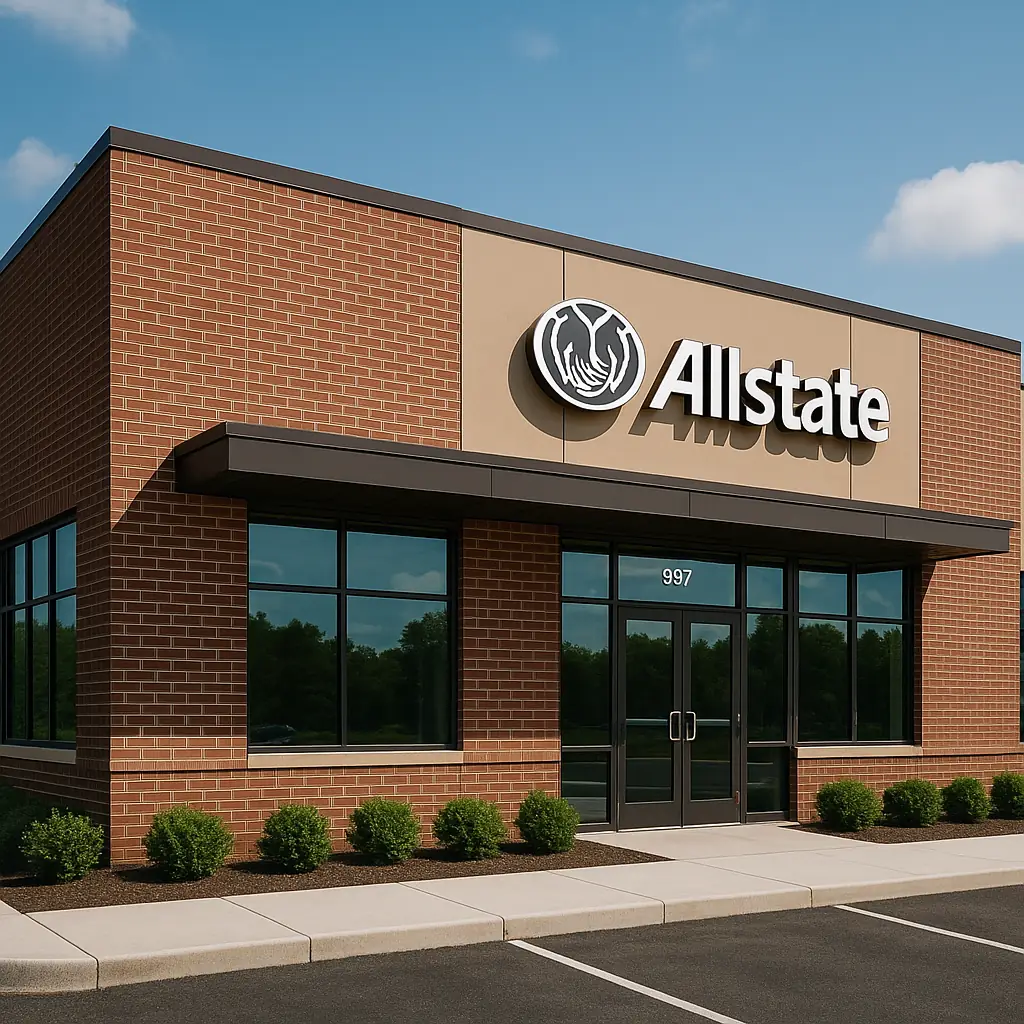
Allstate: Protection Features and Discounts
Allstate has comprehensive home insurance policies. They offer Claim RateGuard and Allstate Identity Protection. They also have discounts for bundling policies, home security systems, and senior citizens.
Allstate lets homeowners customize their policies. This makes it easy to get the right coverage.
Liberty Mutual: Policy Customization
Liberty Mutual is known for its customizable policies. Homeowners can pick from many coverage options. They can also add endorsements to fit their needs.
Liberty Mutual also gives discounts for new homes and homes with upgraded features.
USAA: Military Family Coverage
USAA is famous for serving military families well. Their home insurance has competitive rates and full coverage. This includes flood insurance and personal property replacement cost.
USAA’s focus on military members and their families is clear. They offer coverage tailored to their needs.
Nationwide: On Your Side Review
Nationwide has a variety of home insurance products. They offer whole home coverage and valuable items coverage. Their On Your Side review helps ensure homeowners have the right coverage.
Nationwide is known for its good customer service and claims handling.
Progressive: HomeQuote Explorer Tool
Progressive is known for its innovative HomeQuote Explorer tool. This tool makes it easy to compare coverage and rates. Progressive also offers discounts for bundling home and auto insurance.
How to Select the Perfect Home Insurance Policy
There are many home insurance options out there. Choosing the perfect policy means looking at several important factors. You need to compare different types of coverage, insurance companies, and policy details to find the best fit for you.
Assessing Your Specific Coverage Needs
First, figure out what you need to protect. Think about what you own and how much it’s worth. This helps you know how much coverage you need.
Home Inventory Documentation
Make a detailed list of your belongings. Include their value and any special items that might need extra coverage. This list ensures you have enough coverage if something gets lost or damaged.
Risk Assessment Strategies
Next, think about the risks to your home. Consider things like natural disasters, theft, or accidents. Look at how different policies handle these risks.
Effective Quote Comparison Techniques
After knowing what you need, start comparing quotes. Don’t just look at the price. Check the coverage, deductibles, and limits too.
| Provider | Premium | Deductible | Coverage Limit |
|---|---|---|---|
| State Farm | $800 | $1,000 | $250,000 |
| Allstate | $850 | $1,500 | $300,000 |
| Liberty Mutual | $750 | $2,000 | $200,000 |
Researching Company Reputation
The reputation of the insurance company matters a lot. Look into their customer satisfaction ratings and financial strength indicators. This shows how reliable and good they are at serving customers.
Customer Satisfaction Ratings
Check out ratings from places like J.D. Power and AM Best. They show how well an insurer treats its customers.
Financial Strength Indicators
Look at financial strength indicators from Moody’s or Standard & Poor’s. They tell you if the insurer can pay claims.
Understanding Policy Language and Terms
Lastly, make sure you understand the policy language and terms. Read the policy carefully. Know what’s covered, what’s not, and any conditions that might affect your coverage.
Home Insurance Exclusions and Limitations
It’s important to know what your home insurance doesn’t cover. Home insurance policies have specific things they don’t protect. This can affect how well your home is insured.
Flood Damage and NFIP Options
Most home insurance doesn’t cover flood damage. To protect against floods, you can get insurance from the National Flood Insurance Program (NFIP) or private companies. It’s important to know the differences between these options.
Earthquake Coverage Considerations
Earthquake coverage is not usually included in standard home insurance. If you live in an area prone to earthquakes, you might need a special policy or add-on. This ensures you’re covered in case of an earthquake.
Mold, Rot, and Pest Damage
Damage from mold, rot, or pests is often not covered. This is because it’s seen as a maintenance issue. Keeping up with home maintenance can help prevent these problems.
High-Value Items and Sub-Limits
Home insurance does cover personal property, but there are sub-limits for expensive items like jewelry or art. If you have something very valuable, you might need extra coverage or a rider.
Neglect and Maintenance Issues
Damage from neglect or lack of maintenance is not covered. Keeping your home in good condition is key to avoiding insurance claims being denied.
Knowing about these exclusions and limits helps homeowners make better choices about their insurance. This way, they can ensure their homes are well-protected.
Strategies to Lower Your Home Insurance Premiums
Homeowners can cut their insurance costs by using a few smart strategies. By applying these methods, you can save a lot on your home insurance.
Multi-Policy Bundling Discounts
Getting multiple policies from the same company can save you a lot. For example, combining home and auto insurance can lower your total cost.
Deductible Adjustments
Changing your deductible can also affect your premiums. A higher deductible means lower premiums, but make sure you can afford it if you need to make a claim.
Home Security System Benefits
Having a home security system can also lower your premiums. Insurers often give discounts for homes with security systems because they are less likely to be broken into or vandalized.
Loyalty and Claims-Free Rewards
Some insurers reward you for being loyal and claim-free. Keeping a good relationship with your insurer and avoiding claims can lead to discounts over time.
Home Improvement Credits
Some home improvements can also lower your premiums. Upgrading your roof or adding weather-resistant features are examples of improvements that can get you discounts.
Roof Upgrades
Switching to a more durable roof can reduce damage risk and lower your premiums.
Weather-Resistant Features
Features like storm shutters or impact-resistant windows can make your home more resilient. This can qualify you for insurance discounts.
| Improvement | Potential Discount |
|---|---|
| Roof Upgrade | Up to 10% |
| Weather-Resistant Features | Up to 15% |
| Home Security System | Up to 20% |
The Home Insurance Claims Process
When disaster hits, knowing how to handle your insurance claim is crucial. Homeowners need to be ready to move quickly to reduce losses and get back on track.
Immediate Steps After Damage Occurs
First, make sure you’re safe. Then, document the damage well. This initial step is vital for your claim.
Documentation Requirements
Good documentation is essential for a successful claim. You’ll need both photos and detailed lists of your belongings.
Photo and Video Evidence
Take clear, dated photos and videos of the damage. This visual proof helps insurers see the extent of the damage.
Inventory Lists and Receipts
Make a detailed list of damaged items, including their value and any receipts. This evidence supports your claim.
Working Effectively with Adjusters
After you file a claim, an adjuster will contact you. Being ready and cooperative helps the process go smoothly.
- Be available to answer questions and provide more information as needed.
- Remember, the adjuster’s job is to assess damage and figure out compensation.
Claim Denial Appeals Process
If your claim is denied, you can appeal. Understand why it was denied and gather more evidence to support your appeal.
- Read the denial letter carefully to understand the insurer’s reasons.
- Collect new evidence or clear up any misunderstandings.
- Submit your appeal with the extra evidence.
By understanding and following the home insurance claims process, homeowners can better handle the challenges of damage or loss.
Special Home Insurance Considerations
Specialized homes, like historic or rental properties, need special insurance plans. Homeowners with unique homes face challenges finding the right insurance. They need coverage that fits their specific needs.
Historic Home Coverage Challenges
Getting insurance for historic homes is tricky. Their unique designs and historical value require specialized coverage. This is because restoring or replacing these features can be very expensive.
New Construction Benefits
New homes usually get lower insurance rates because of modern building codes and materials. But, they might need extra coverage for new features or tech.
Vacation and Second Home Policies
Vacation or second homes need insurance that understands their use, like seasonal visits. Specialized policies can offer the right coverage for these homes.
Rental Property Insurance Needs
Rental homes have special insurance needs. This includes liability for tenants and protection against lost rental income.
Smart Home Technology Impacts
Smart home tech can lead to lower insurance costs because of better security. Homeowners should tell their insurers about these systems to save money.
Supplemental Home Insurance Coverage Options
Homeowners can get extra protection with special coverage options. These options can cover risks not included in basic policies. They are made to fit specific needs.
Scheduled Personal Property Endorsements
Homeowners with valuable items like jewelry or art can get extra coverage. This is for items not fully covered by standard policies.
Water Backup and Sump Pump Coverage
Water backup coverage is key for avoiding damage from sump pump failures or sewer backups. These are often not covered by standard policies.
Identity Theft Protection Services
Some insurers offer identity theft protection as an extra. It helps homeowners deal with losses and costs from identity theft.
Home Business Coverage Extensions
Those running a business from home can get extra coverage. It protects business equipment and liability.
Equipment Breakdown Protection
This coverage helps pay for fixing or replacing broken home systems and appliances. It covers failures due to mechanical or electrical issues.
Conclusion: Securing Peace of Mind with Quality Home Insurance
Getting quality home insurance is key to protecting your money and feeling secure. We talked about how different things affect home insurance rates. Knowing this helps you make smart choices.
Choosing the right home insurance policy is important. It makes sure your home and stuff are safe from surprises. Companies like State Farm, Allstate, and Liberty Mutual have many options and benefits.
To feel at ease, you need to know what coverage you need. Look at different quotes and check out insurance companies’ reputations. This way, you get good home insurance that helps when you really need it.
Finally, getting quality home insurance is a smart move. It helps keep your home and money safe. You’ll feel more at peace knowing you’re ready for anything life throws your way.
FAQ
What is home insurance, and why do I need it?
Home insurance protects your home and its contents from damage or loss. It helps safeguard your financial investment and gives you peace of mind.
What factors affect my home insurance rates?
Your home insurance rates depend on several factors. These include your location, the type of home you have, and your personal circumstances. For instance, homes in areas prone to natural disasters may cost more to insure.
What is the difference between actual cash value and replacement cost?
Actual cash value is what your belongings are worth after depreciation. Replacement cost, on the other hand, is the full cost to replace or repair them without considering depreciation. Replacement cost coverage is generally more comprehensive.
What is liability coverage, and how does it work?
Liability coverage protects you if someone gets hurt on your property or if you accidentally damage someone else’s property. It can cover medical bills, legal fees, and damages.
Can I customize my home insurance policy?
Yes, you can tailor your home insurance policy. You can add endorsements or riders to cover specific items, like jewelry or art, or a home business.
How do I file a home insurance claim?
To file a claim, contact your insurance provider right after damage happens. Provide photos and receipts. Work with an adjuster to assess the damage and figure out the claim amount.
What is the difference between HO-3 and HO-5 home insurance policies?
HO-3 policies cover your home and personal property against specific risks. HO-5 policies offer broader coverage for your home and personal property.
Can I get a discount on my home insurance premium?
Yes, you can lower your premium. You can get discounts by bundling policies, raising your deductible, installing security systems, or making home improvements.
How does a home security system impact my insurance premium?
A home security system can lower your premium. It reduces the risk of theft or damage. Many insurers offer discounts for homes with security systems.
What is the National Flood Insurance Program (NFIP)?
The NFIP is a federal program that offers flood insurance to homeowners, renters, and businesses. It’s often required for homes in high-risk flood areas.
Can I purchase supplemental home insurance coverage?
Yes, you can buy extra coverage. This includes scheduled personal property endorsements, water backup coverage, or identity theft protection to enhance your standard policy.